

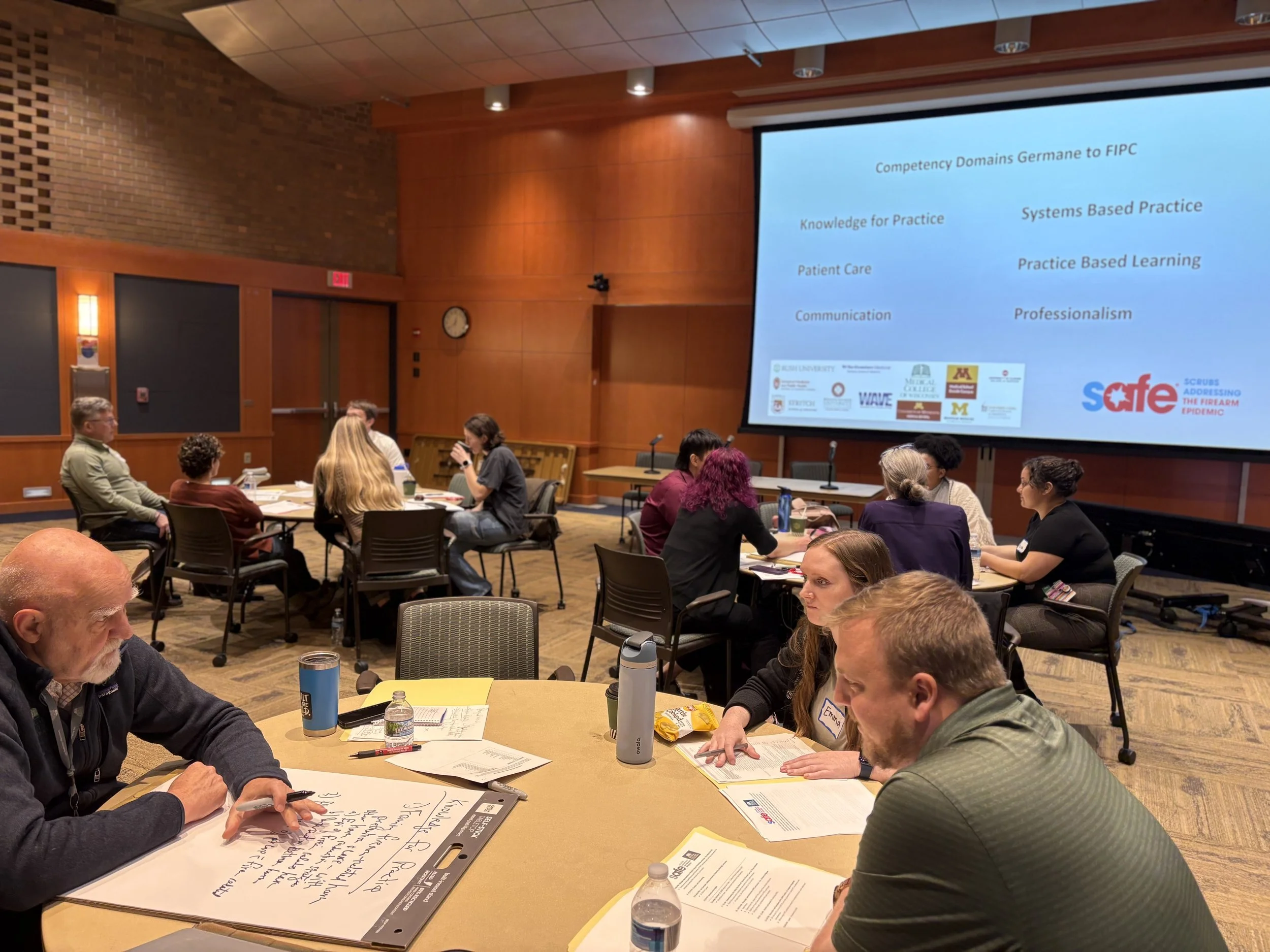
Educating Healthcare Professionals
In-Person Workshops and Virtual Modules
Empowering Healthcare Providers to Counsel Patients at Risk for Firearm Injury Through Improved Education
By working together, we can develop an effective and culturally responsive curriculum that will equip future physicians to address the multifaceted but addressable issue of firearm injury and death.
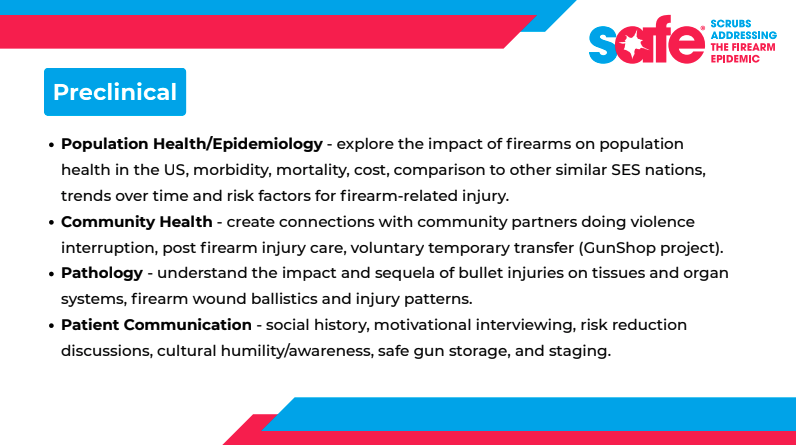
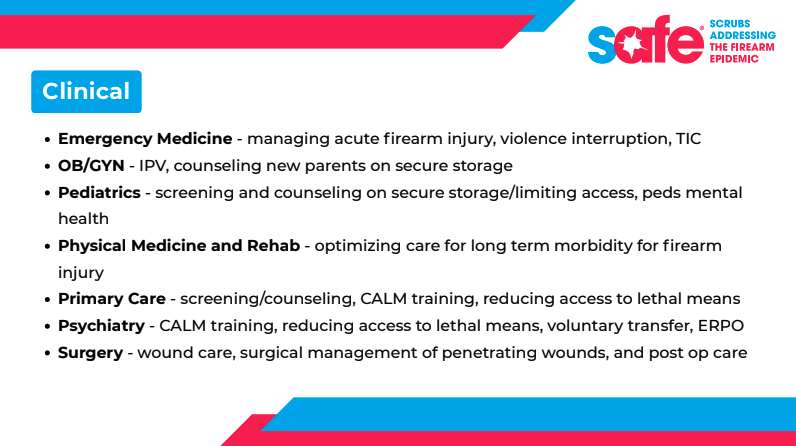
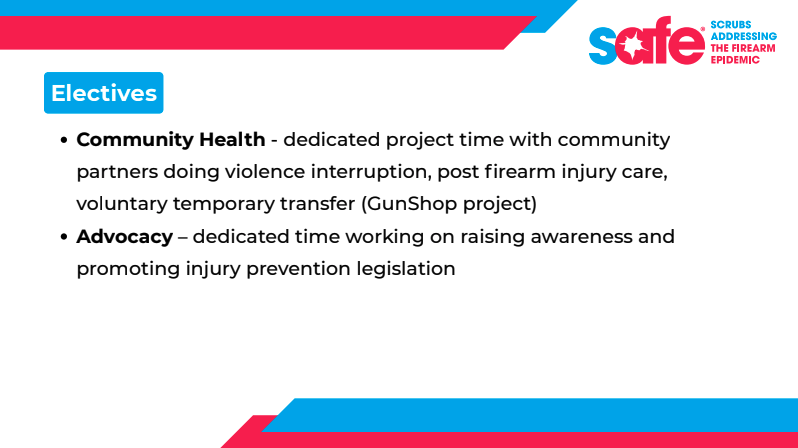
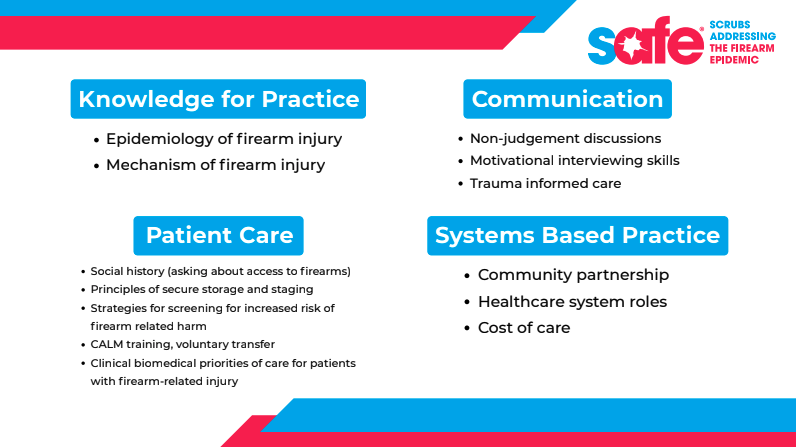
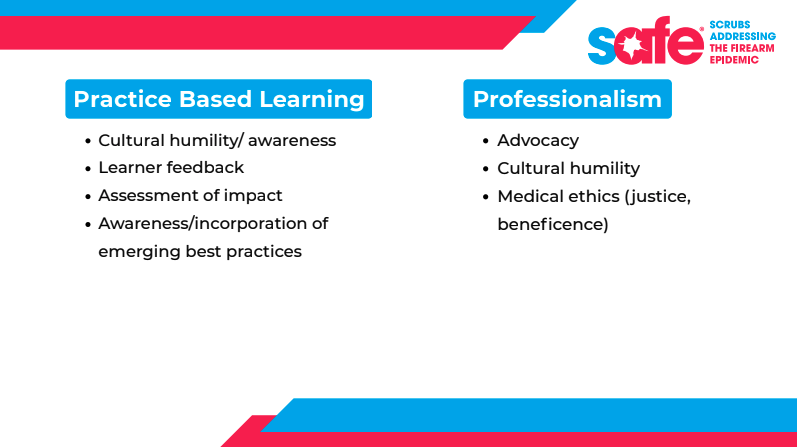
See where and how the topics within Firearm Injury Prevention can weave throughout curriculum competency domains by clicking on the blue rectangle just below.
Future Collaborative Curriculum Workshops
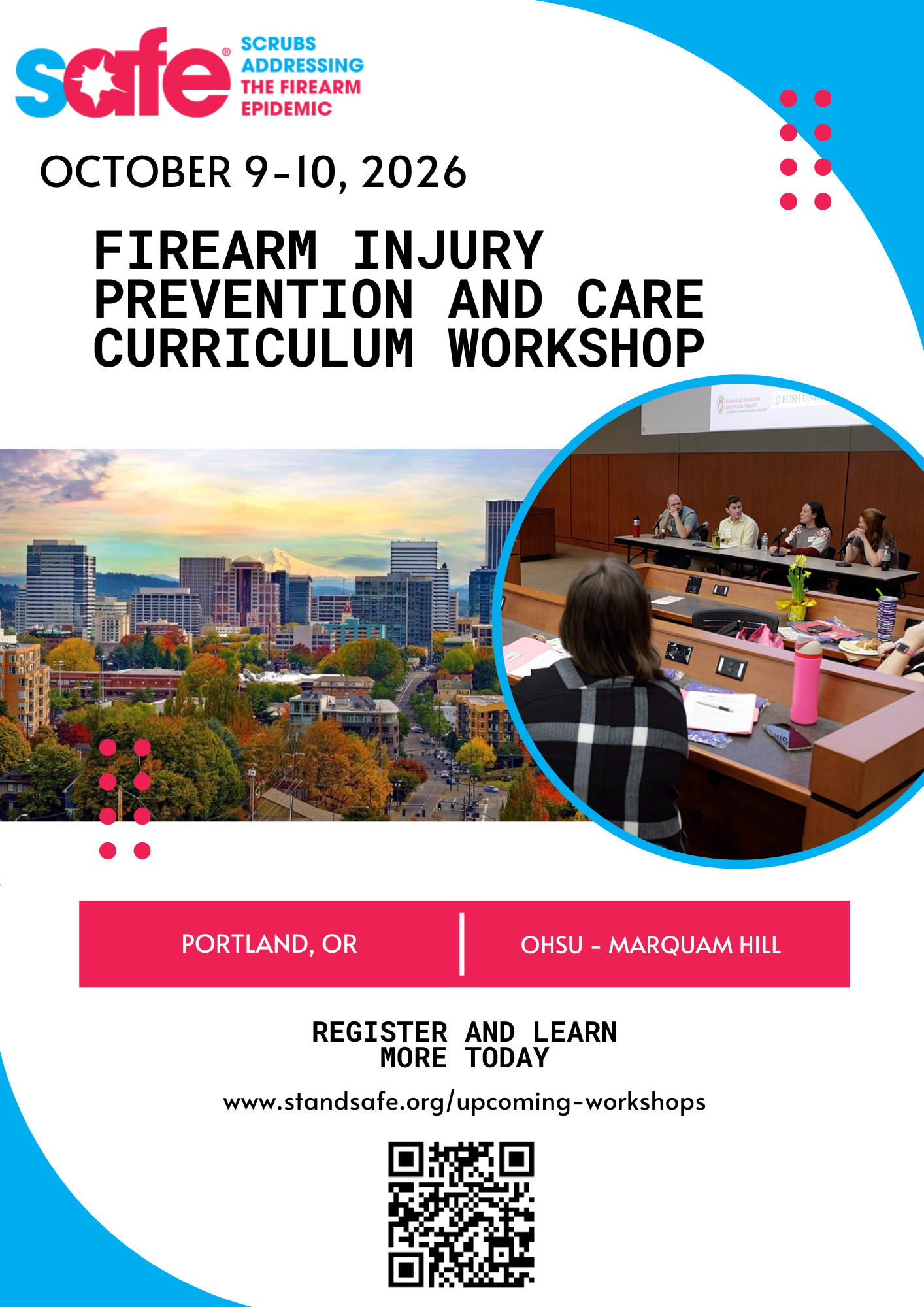
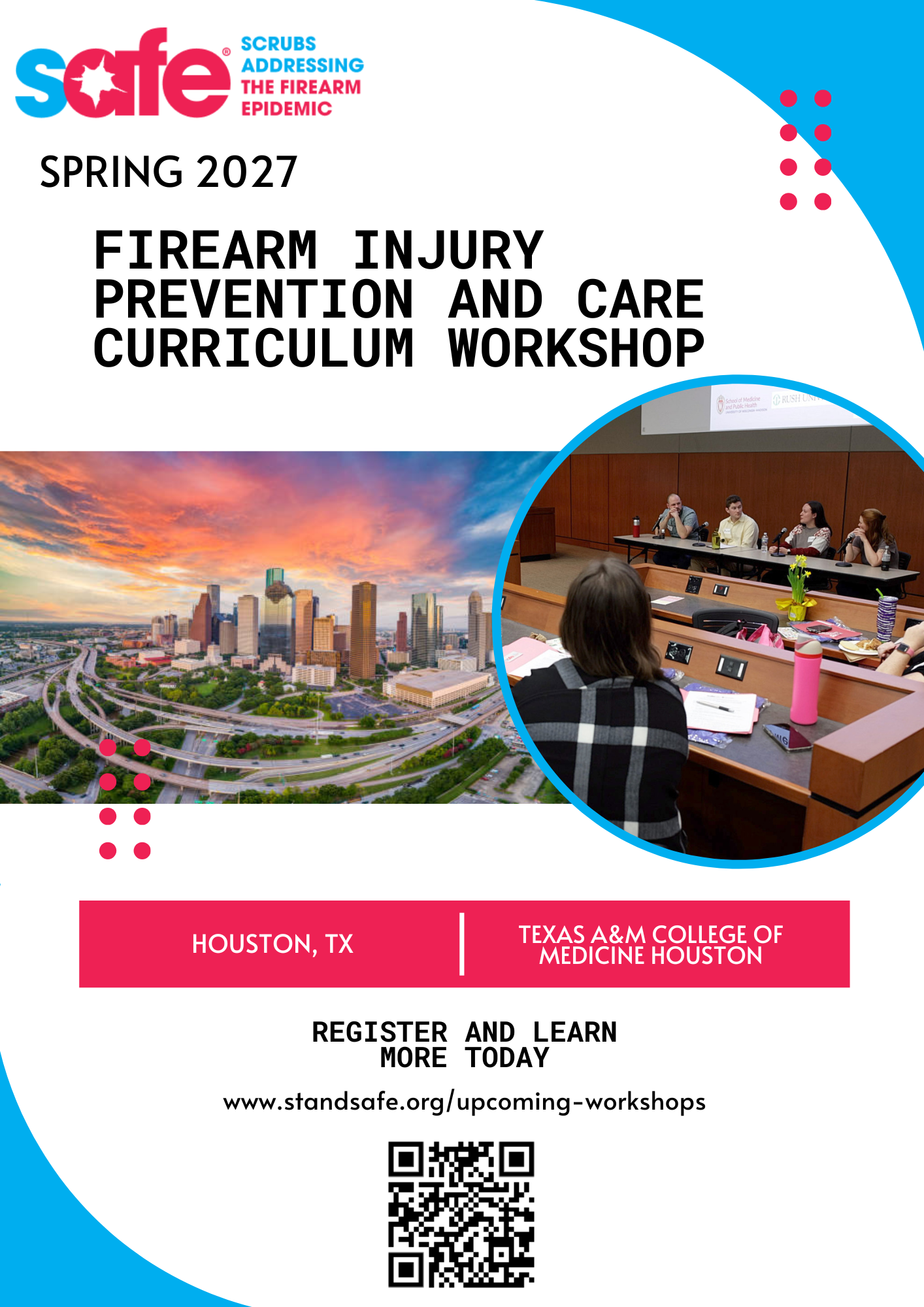
We are eager to share our Collaborative Workshops on Firearm Injury Prevention Curriculum opportunities with diverse and community-centered institutions and people.
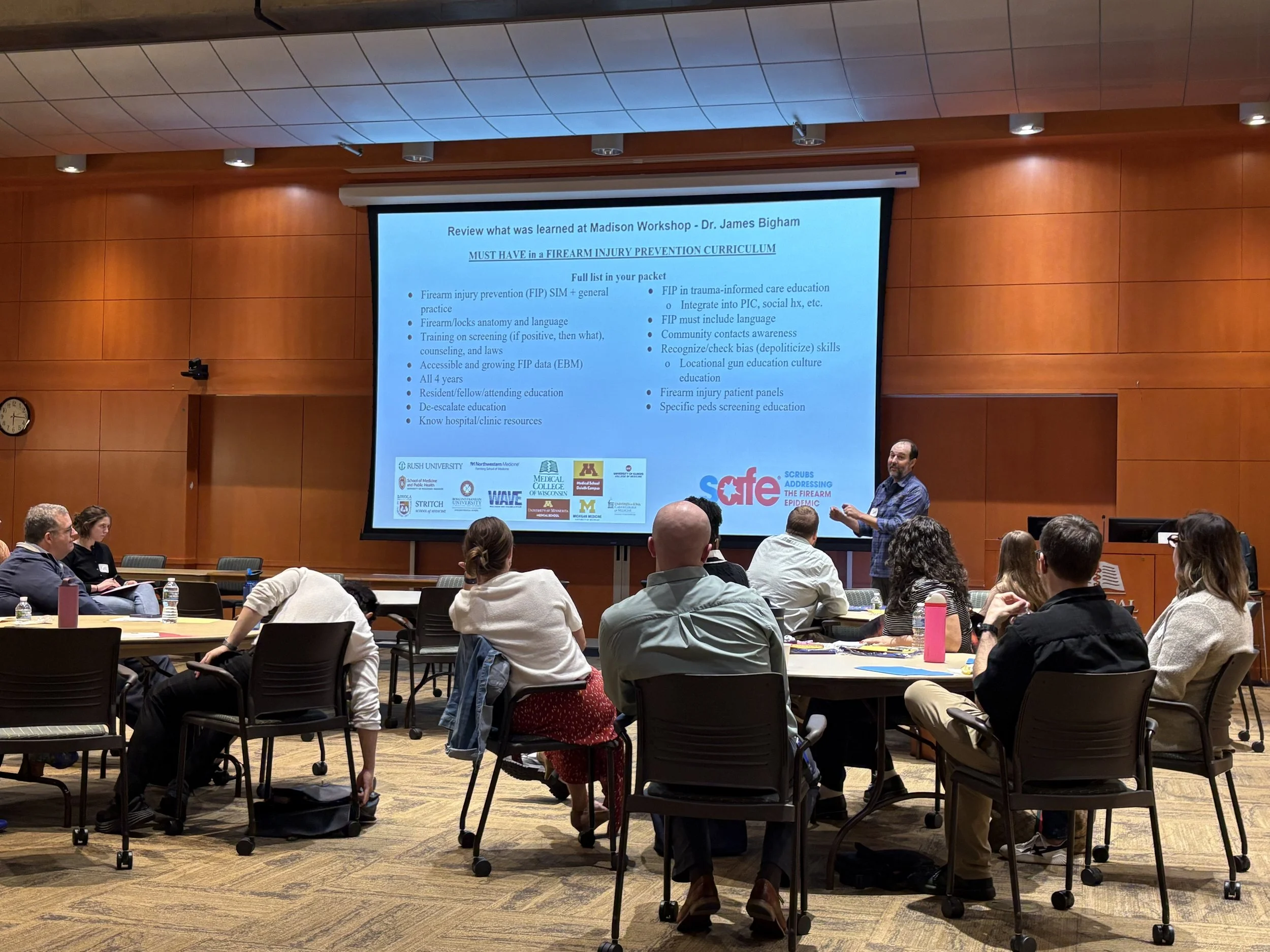
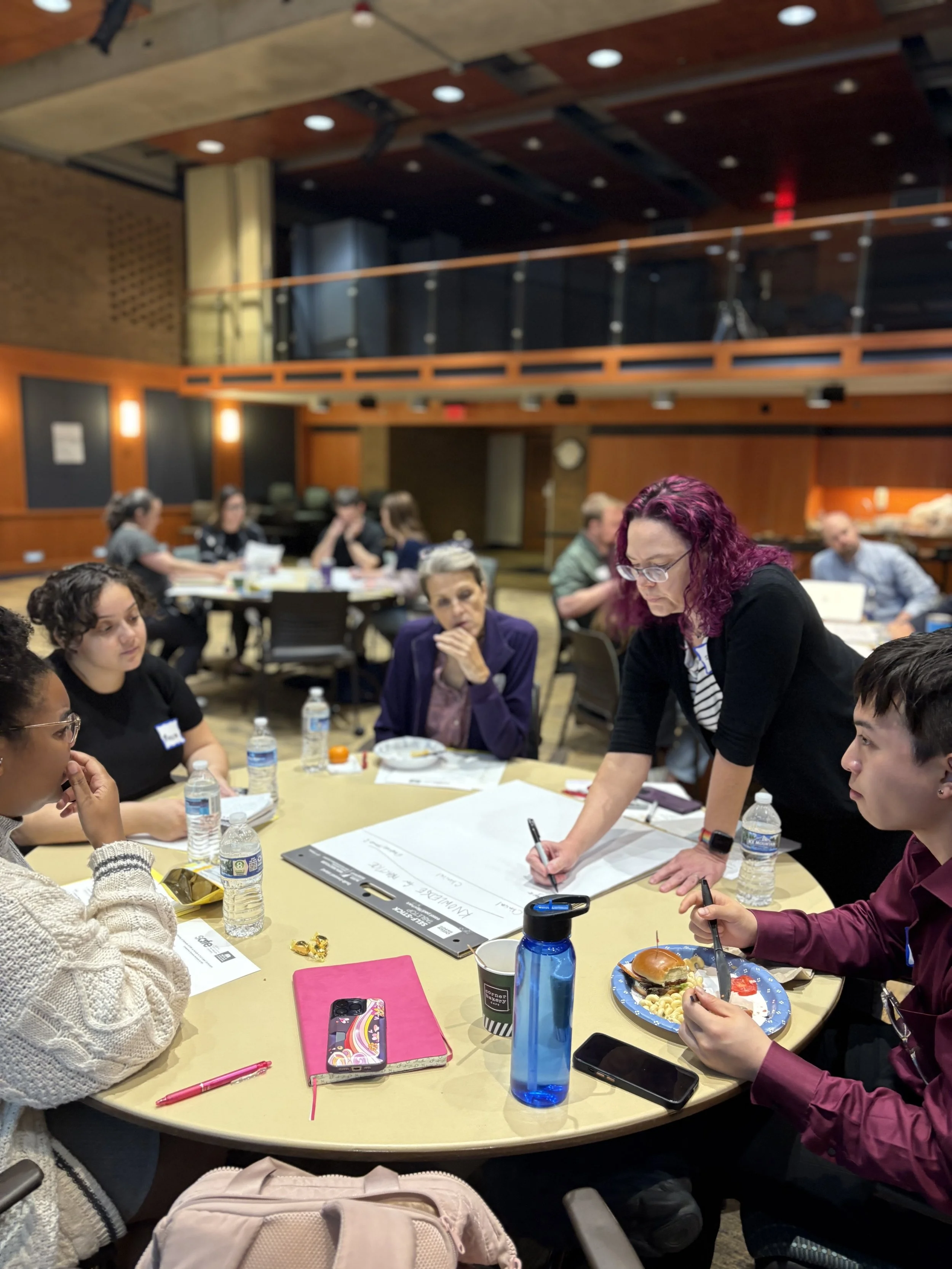
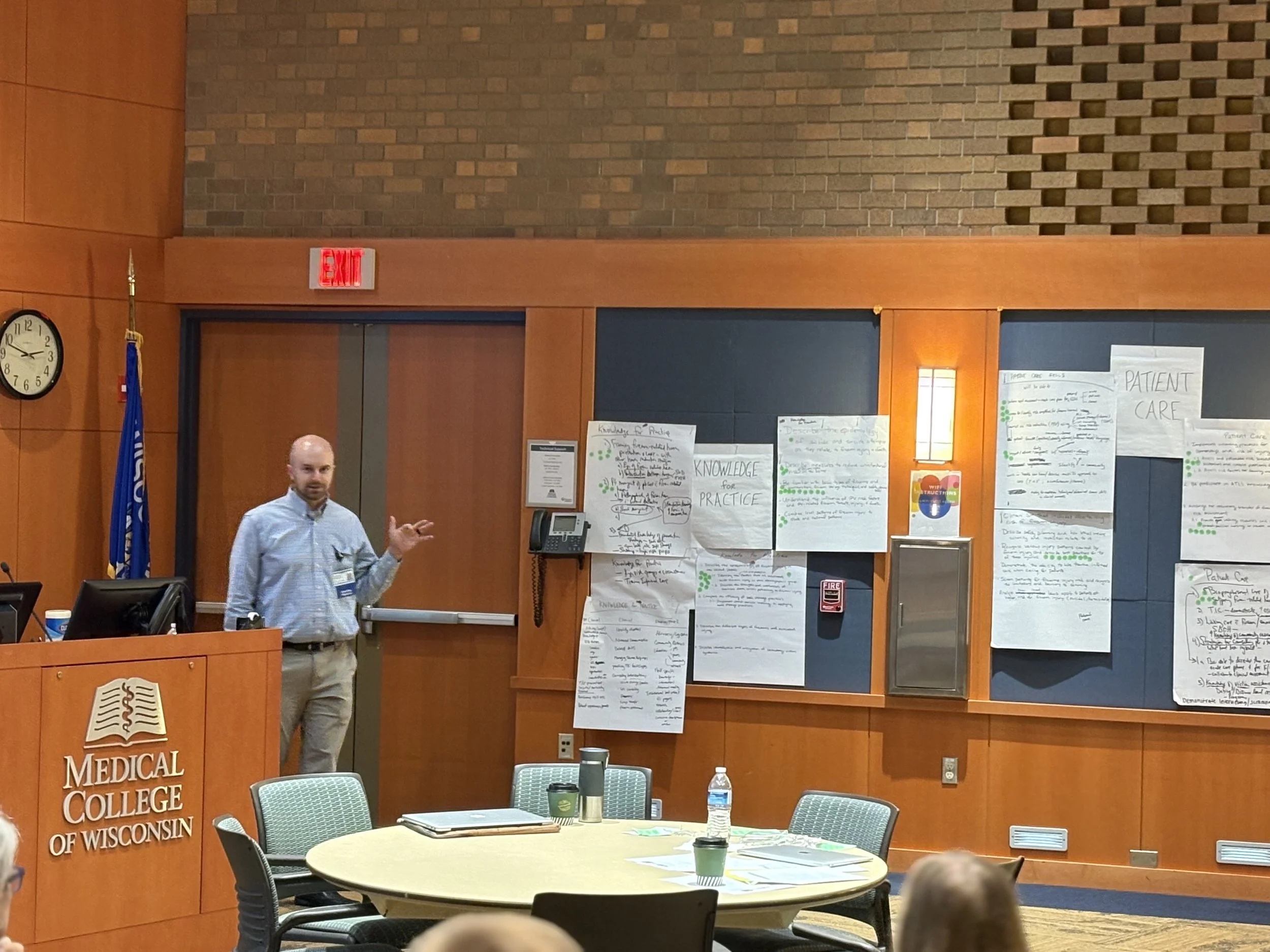
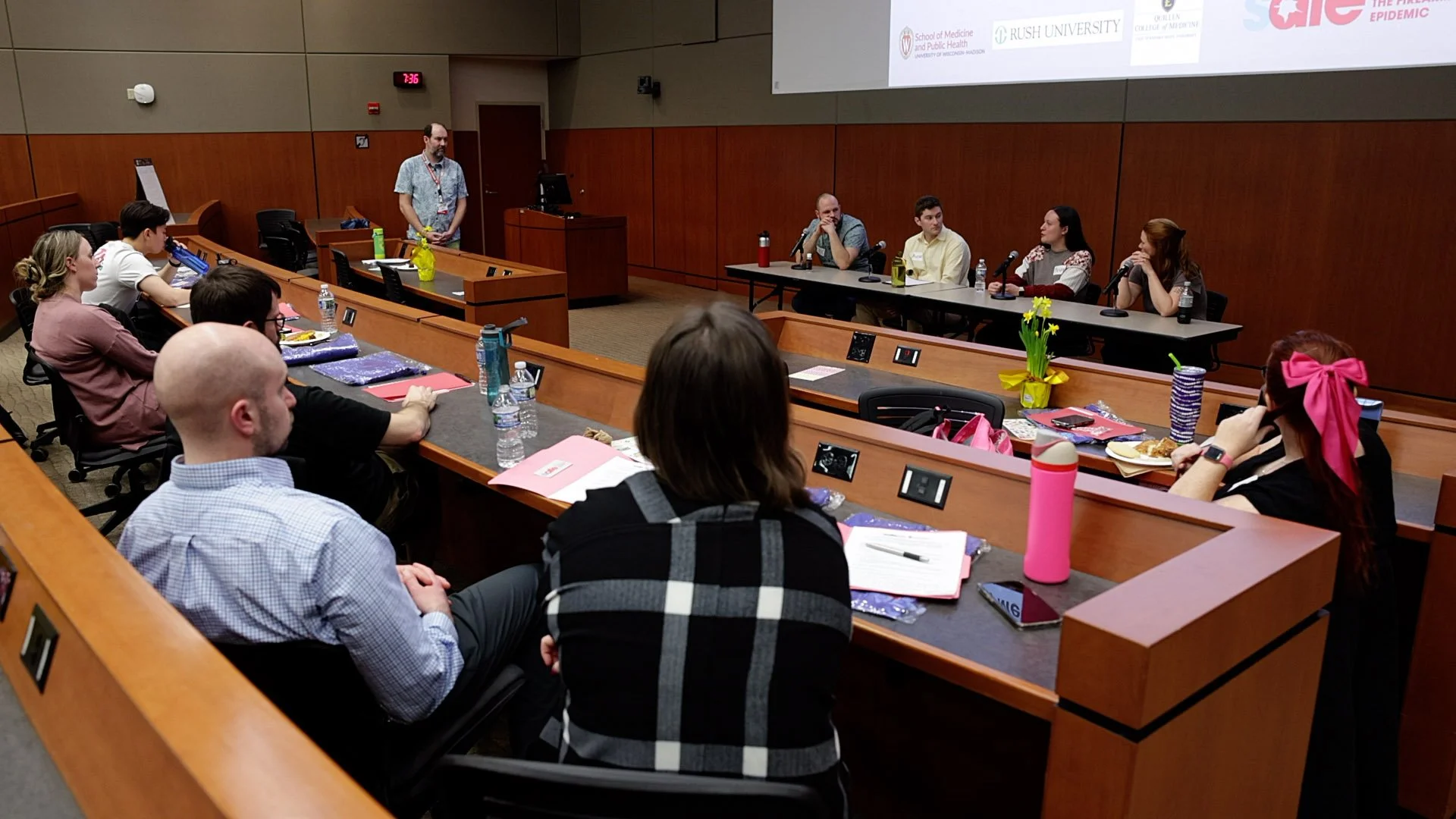
Previous Curriculum Workshops

Take a look at our previous Collaborative Workshops on Firearm Injury Prevention Curriculum.
-
Medical students are the next generation of physicians, and emphasizing the importance of and gaining comfort with discussing firearm safety with patients from early is vital to incorporating this issue into physicians' daily practice.
Healthcare providers hold a vital role in preventative care. Discussing firearm safety has shown to improve patient wellbeing by increasing the number of firearms that are kept locked and unloaded in homes (1, 2). However, due to a lack of training, providers often do not feel comfortable counseling patients and families regarding safe gun ownership (3, 4).
75% of physicians lack formal training on counseling for firearm interventions and there is currently no standardized medical student or resident physician education surrounding firearm violence (5, 6). Given these alarming statistics, we see an urgent need to train medical students, residents, and current providers with firearms injury prevention curriculum.
-
In 2019, SAFE built an online curriculum that was updated and released in July 2024. Clinicians and Firearms was created to serve as a model for firearm injury prevention education. This platform can hopefully reflect lessons that can be incorporated into medical schools’ structured clinical exams for their students.
-

-
Overview
The overall goal is to teach and empower health care providers to speak to their patients about firearms injury reduction strategies.
Included in the course are modules on:
1). The epidemiology of firearms and of firearms injuries and deaths (including homicides, suicides and accidental injuries/deaths)
2) the kinds of firearms and ammunition in common use in the US and the injuries they are likely to cause
3) some strategies and examples of working with different types of patients to help them reduce their risk for firearms injuries and deaths
4) the laws governing physician activities related to firearms injury prevention.
Registration Fee: Free
Estimated Time to Complete: 90 minutes
Click Watch Clinicians and Firearms to learn more and to watch.
Watch Clinicians and Firearms 2.0 Trailer
Credits
AMA PRA Category 1 Credits™ (2.00 hours), ANCC Contact Hours (2.00 hours), Non-Physician Participation Credit (2.00 hours)
Target Audience
Specialties - Pediatrics
Professions - Fellow/Resident, Non-Physician, Physician, Student
Objectives
At the conclusion of this activity, learners should be able to:
Summarize the demographics of firearms ownership in the United States
Describe the epidemiology of firearms injuries and deaths in the United States including risk factors for homicide, suicide and accidental injuries
Identify different types of firearms and ammunition and relate them to the types of injuries they typically cause
Broach the topic of firearms injury prevention with patients and their families
Strategize with patients on the best ways to reduce risk for firearms injuries in their households
Accreditation
In support of improving patient care, this activity has been planned and implemented by Stanford Medicine and Scrubs Addressing the Firearm Epidemic (SAFE). Stanford Medicine is jointly accredited by the Accreditation Council for Continuing Medical Education (ACCME), the Accreditation Council for Pharmacy Education (ACPE), and the American Nurses Credentialing Center (ANCC), to provide continuing education for the healthcare team.